
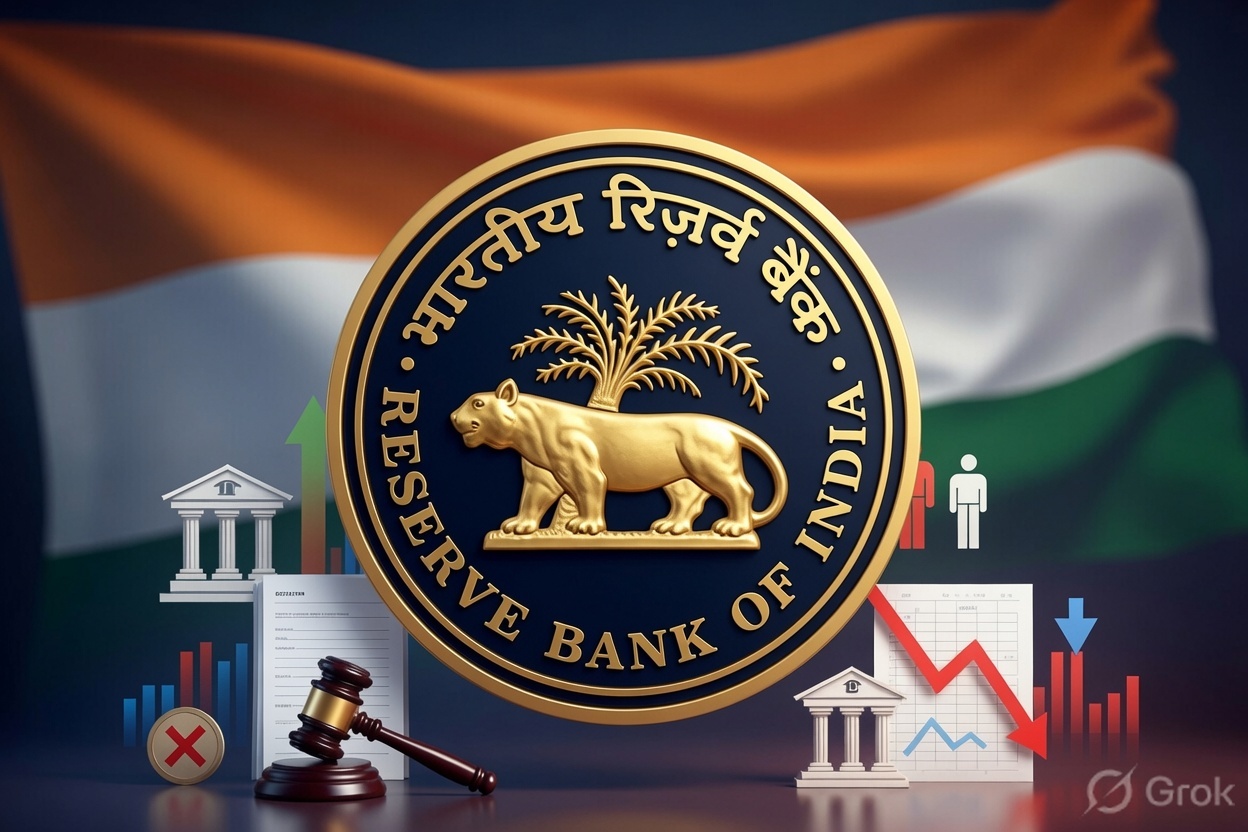

Regulator Stands Firm on Uniform Prudential Norms to Safeguard Financial Stability
The Reserve Bank of India (RBI) has turned down requests for special exposure relaxations for state-owned Non-Banking Financial Companies (NBFCs), reinforcing its commitment to consistent regulatory standards across the sector.
Despite demands from several state governments seeking greater lending flexibility for their NBFCs, the central bank has made it clear that no exemptions will be granted from existing exposure norms and prudential guidelines.
RBI’s Rationale
In its response, the RBI stated that providing differential treatment to state-sponsored NBFCs could create regulatory arbitrage, weaken risk management practices, and increase systemic vulnerabilities in the financial system. The regulator emphasized that all NBFCs whether private or state-promoted must follow the same capital adequacy, exposure, and governance norms.
This decision comes amid growing concerns over asset quality, governance standards, and rising non-performing assets in some state-level financial institutions.
Background of the Demand
Several states had sought higher exposure limits for their NBFCs, particularly in sectors such as infrastructure, agriculture, MSMEs, and affordable housing. They argued that such relaxations were essential to accelerate developmental projects and support local economies. However, the RBI has maintained that deviations from established norms could set a dangerous precedent.
Implications
The RBI’s firm stance is expected to:
- Limit the aggressive lending capacity of some state NBFCs
- Force state entities to operate within stricter risk frameworks
- Encourage better governance and stronger due diligence practices
- Push states to explore alternative funding sources or improve operational efficiency
Broader Context
This move aligns with the RBI’s ongoing efforts to strengthen the NBFC regulatory framework following past instances of stress in the sector. The central bank has been consistently tightening supervision, liquidity requirements, and risk controls for all NBFCs to protect depositors and maintain overall financial stability.
Expert Opinion
Banking analysts have welcomed the decision, noting that uniform regulations are critical for market discipline. “Allowing exceptions for state NBFCs could have compromised the integrity of the regulatory architecture,” said one senior economist.
However, some state officials have expressed disappointment, saying the decision may slow down infrastructure and development financing in their regions.
Way Forward
While rejecting blanket relaxations, the RBI has indicated openness to working with state governments on improving governance, capacity building, and risk management practices in their NBFCs. Well-managed entities may still receive case-specific approvals within the existing regulatory framework.
The RBI’s decision sends a strong message that financial stability remains its top priority, even as it supports the government’s development agenda.
