
Indian Nationals Face Increased Secondary Screening and Detention Risks; Experts Urge Thorough Document Checks Before Flying
Immigration lawyers are cautioning Indian travellers heading to or within the United States after multiple reports emerged of Indian nationals being detained or subjected to prolonged questioning at US airports. The advisories come amid heightened immigration enforcement and an increase in secondary inspections affecting both new arrivals and, in some cases, individuals already present in the country.
Reports of Airport Detentions
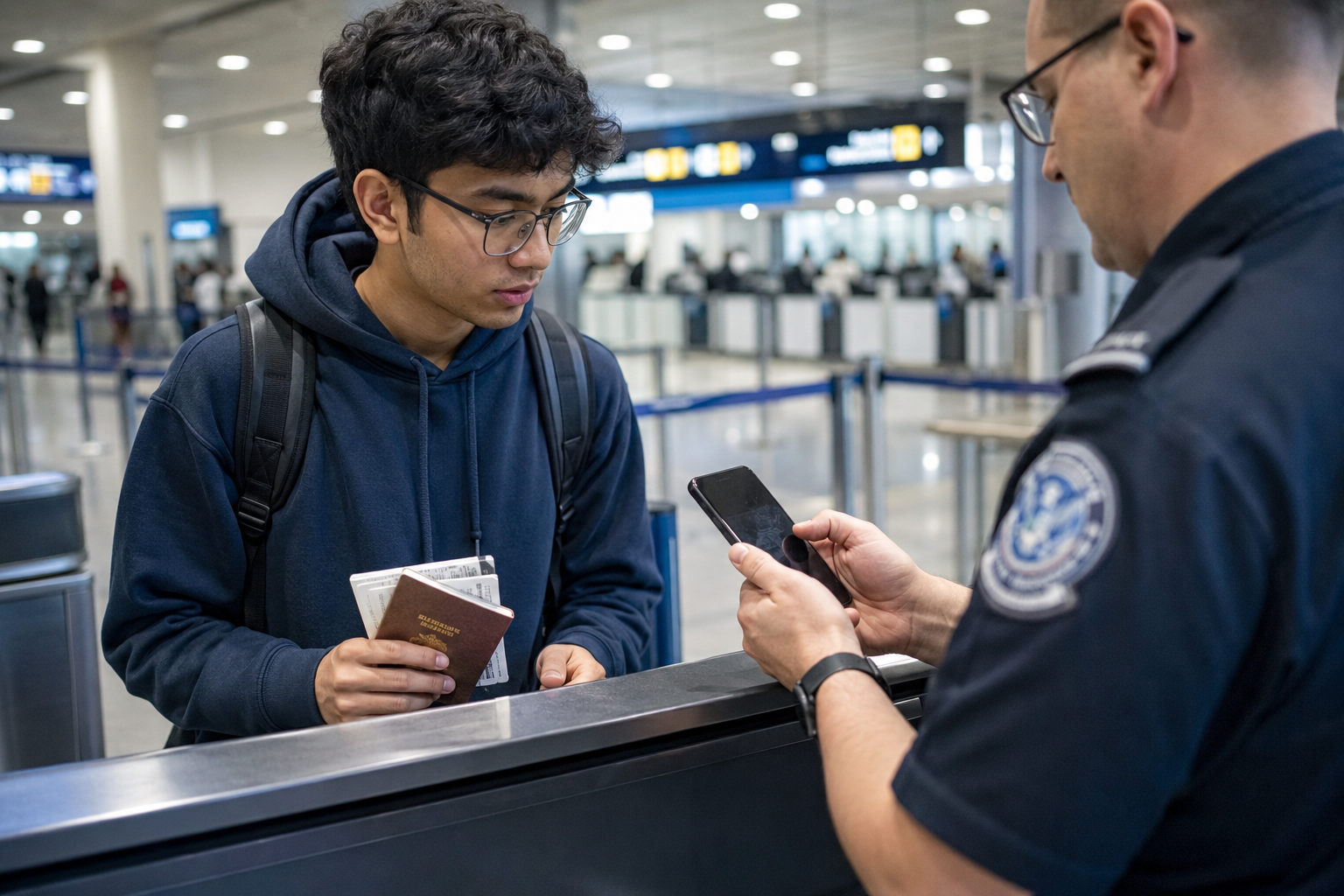
In recent weeks, several Indian travellers have reported being pulled aside for secondary screening upon arrival at major US airports. Some accounts describe hours-long questioning, temporary detention, and, in a limited number of cases, decisions that affected their ability to enter or continue their journey. While not every secondary inspection leads to detention, the rise in such incidents has prompted concern within the Indian community and among immigration attorneys.
Lawyers note that the cases involve a mix of travellers — including those on temporary visas, students, professionals, and individuals seeking to adjust status. The common thread appears to be closer scrutiny of documentation, travel history and the stated purpose of visit.
Lawyers Sound Caution
Immigration attorneys advising Indian clients are emphasising the need for careful preparation. “Travellers should assume that their documents and itinerary will be examined closely,” said one US-based immigration lawyer. “Even routine trips can involve secondary inspection in the current environment.”
Experts stress that carrying complete and consistent paperwork is essential. This includes valid visas, supporting letters, proof of ties to India, return tickets, and any documents related to employment, studies or family status. Inconsistencies between verbal statements and paperwork remain one of the most common triggers for further questioning.
Why Scrutiny Has Increased
US immigration authorities have broad discretion at ports of entry. Officers may refer travellers for secondary inspection based on a range of factors, including travel patterns, previous overstays, incomplete documentation, or simply random selection. Recent shifts in enforcement priorities have led to more rigorous checks in certain categories.
For Indians, who form one of the largest groups of non-immigrant visa holders in the United States, the practical effect has been longer processing times and greater uncertainty at the airport. Students, H-1B professionals and visitors have all reported heightened attention.
Impact on Different Categories of Travellers
Students are being advised to carry I-20 forms, admission letters, financial proof and SEVIS-related documents in an easily accessible manner. Working professionals on employment visas should have their approval notices, employer letters and recent pay records ready. Tourists and family visitors need clear evidence of the purpose and duration of their stay, as well as strong ties to their home country. Individuals already in the US who travel domestically or re-enter after a short trip abroad are also being told not to treat re-entry as automatic.
Practical Advice from Experts
Lawyers recommend several precautionary steps:
- Verify that passports and visas are valid well beyond the intended stay.
- Carry both physical and digital copies of all supporting documents.
- Ensure that the information given to airline staff and immigration officers is consistent.
- Avoid carrying documents that could create confusion about intent to remain beyond authorised status.
- Know basic rights during inspection while remaining cooperative and truthful.
Attorneys also caution against relying on informal advice from social media or unverified agents. Each case is fact-specific, and professional guidance is preferable when circumstances are complex.
Broader Context
The United States continues to balance security, immigration control and the economic benefits of skilled and student inflows. Indian nationals represent a significant share of international students and specialty-occupation workers. Any sustained increase in entry friction could affect future mobility, university enrolments and corporate transfers.
Indian diplomatic missions typically advise citizens to comply fully with US immigration rules and to contact the nearest consulate if they face difficulties. Community organisations have also begun circulating checklists and helpline information for travellers.
What Travellers Should Expect
Secondary inspection does not automatically mean denial of entry. Many travellers are released after additional questioning and document verification. However, the process can be stressful and time-consuming. In a smaller number of cases, officers may determine that an individual is inadmissible, leading to removal proceedings or withdrawal of the application for admission.
Remaining calm, polite and factual during interactions with officers is consistently recommended by legal experts.
Outlook
Until clearer patterns emerge or official guidance changes, immigration lawyers expect the elevated level of scrutiny to continue. Indian travellers are being urged to treat every US trip — whether for study, work or tourism — with careful preparation.
For now, the message from attorneys is straightforward: thorough documentation, honest communication and realistic expectations are the best defence against unexpected delays or worse outcomes at the airport.
