
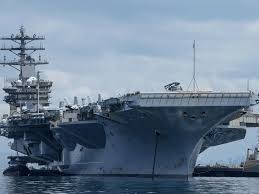

Tehran Issues Stark Warning Amid Rising Tensions; Global Oil Markets and Maritime Security on High Alert
Iran has warned that it will target US warships if it perceives any violation of shipping routes through the Strait of Hormuz. The statement marks a significant escalation in rhetoric at a time of heightened tension between Tehran and Washington, raising fresh concerns over the security of one of the world’s most critical energy corridors.
The Warning
Iranian officials stated that any move seen as infringing on the country’s red lines in the Strait of Hormuz would be met with a response, including potential action against American naval vessels in the region. The warning comes against the backdrop of recent exchanges and increased military activity in the wider Middle East.
The Strait of Hormuz, situated between Iran and Oman, is a narrow waterway through which a substantial portion of the world’s seaborne oil passes. Any threat to its free navigation immediately draws global attention because of the potential impact on energy supplies and prices.
Strategic Importance of Hormuz
The strait serves as a vital chokepoint for oil exports from major producers in the Persian Gulf. Disruptions — or even the credible threat of disruptions can send shockwaves through global energy markets. Shipping companies, insurers and governments closely monitor security conditions in the area, as higher risks translate into elevated insurance premiums and, in extreme cases, rerouting of vessels.
Iran has in the past emphasised its ability to influence traffic through the strait, while the United States and its partners have repeatedly stressed the importance of keeping the waterway open for international commerce.
US and International Response
Washington has not issued an immediate detailed public response to the latest warning, but US officials have consistently maintained that they will protect freedom of navigation and the safety of American forces. Naval assets from several countries operate in or near the region as part of longstanding maritime security efforts.
Diplomatic channels remain active, with various nations urging restraint. Regional and global powers share a common interest in preventing any incident that could spiral into a broader confrontation or severely disrupt oil flows.
Impact on Oil and Shipping Markets
News of the Iranian warning contributed to renewed volatility in oil prices. Traders are assessing the risk of supply interruptions and the likelihood of further military posturing. Even without an actual closure of the strait, elevated tensions typically lead to risk premiums in crude markets and higher costs for maritime transport.
Shipping firms are reviewing security protocols for vessels transiting the area. Insurers may adjust coverage terms and premiums in response to the perceived increase in risk. Any prolonged period of uncertainty could affect energy costs worldwide, with particular implications for major import-dependent economies.
Regional Context
The latest warning forms part of a wider pattern of heightened confrontation involving Iran, the United States and other regional actors. Military postures, proxy activities and diplomatic exchanges have kept the Middle East on edge in recent months. Each new statement or incident carries the potential to shift the risk calculus for governments, businesses and markets.
Analysts note that while strong rhetoric is not uncommon, the combination of direct references to US warships and the strategic sensitivity of Hormuz makes the current situation especially delicate.
Diplomatic Efforts and De-escalation
Calls for de-escalation have come from multiple capitals. Countries with significant economic exposure to Gulf energy supplies have a strong incentive to encourage dialogue and prevent miscalculation. International organisations and mediators continue to explore avenues for reducing tensions, though progress remains uncertain amid mutual distrust.
Both sides face domestic and strategic pressures that influence their public positions. Managing those pressures while avoiding unintended escalation will be a central challenge in the coming days and weeks.
Broader Implications
Beyond immediate market reactions, the situation underscores the enduring vulnerability of global energy supply chains to geopolitical shocks. Governments and companies have sought to diversify sources and routes over the years, yet the Strait of Hormuz retains outsized importance.
For policymakers, the episode highlights the need for clear communication, crisis-management mechanisms and continued investment in maritime security. For markets, it serves as another reminder that geopolitical risk remains a key variable in energy pricing and broader economic stability.
Outlook
The coming period will be closely watched for any further statements, military movements or diplomatic initiatives. Much will depend on whether the latest warning is followed by concrete actions or remains in the realm of deterrence messaging. Either way, the episode has already reinforced the fragility of the current regional environment.
Global attention will remain fixed on the Strait of Hormuz and the broader confrontation between Iran and the United States as stakeholders assess the risks of further escalation and the prospects for stabilisation.
