
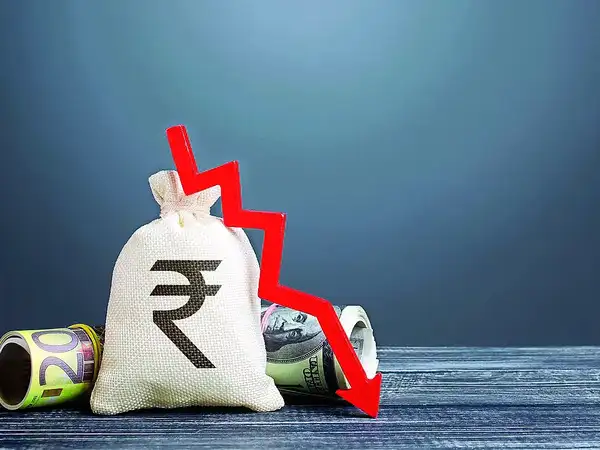

Sharp depreciation raises alarm over surging import costs, fuel prices and cost of living; RBI steps in as experts warn of imported inflation
The Indian rupee plunged to a fresh all-time low of ₹95.50 against the US dollar on Tuesday, triggering widespread concerns over rising inflation and economic stability. The sharp depreciation comes amid persistent foreign investor outflows, global geopolitical tensions, and elevated crude oil prices, raising fears that the cost of living for ordinary citizens could rise significantly in the coming months.
Why the Rupee is Crashing
The rupee has been under sustained pressure for weeks. Heavy selling by Foreign Institutional Investors (FIIs), who have already pulled out over ₹2 lakh crore from Indian equities in 2026 so far, has intensified the demand for dollars. Adding to the woes are renewed tensions between the United States and Iran, which have pushed global crude oil prices higher, increasing India’s import bill.
The Reserve Bank of India (RBI) intervened in the forex market by selling dollars to prevent a free fall, but the rupee still closed at its weakest-ever level. Analysts say the combination of a widening current account deficit, rising global risk aversion, and dollar strength is weighing heavily on the Indian currency.
Inflation Worries Mount
Economists warn that a weaker rupee will lead to imported inflation. Since India imports over 85% of its crude oil and a large portion of its edible oil, gold, and electronic goods, the cost of these items is likely to rise. Petrol and diesel prices, which are already high, could climb further, pushing up transportation costs and, consequently, the prices of essential commodities.
“Every ₹1 depreciation in the rupee adds roughly ₹12,000–15,000 crore to the annual import bill,” said a senior economist at a leading brokerage. “This will inevitably feed into retail inflation, which has already inched up to 3.48% in April.”
Impact on Common Man and Economy
The falling rupee directly affects the common man. Imported medicines, smartphones, laptops, and even some food items could become costlier. For middle-class families planning foreign travel or education abroad, the impact will be immediate and painful.
On the positive side, a weaker rupee makes Indian exports more competitive, which could benefit sectors like IT, pharmaceuticals, and textiles. However, experts caution that the negative effects on inflation and household budgets may outweigh these gains in the short term.
RBI and Government Response
The RBI has assured that it is closely monitoring the situation and will take all necessary steps to maintain orderly conditions in the forex market. The central bank has been using its foreign exchange reserves, which currently stand at over $650 billion, to support the rupee.
The government, meanwhile, is focusing on boosting domestic production of oil and gas, promoting exports, and attracting long-term foreign investment to reduce the pressure on the currency.
What Lies Ahead?
Analysts believe the rupee may remain under pressure in the near term unless global crude oil prices cool down or FII flows reverse. Some experts predict that if the rupee breaches the ₹96 mark, the RBI may hike interest rates or introduce other measures to curb inflation.
For now, the focus remains on containing imported inflation while ensuring that economic growth does not suffer. The coming weeks will be crucial as policymakers walk a tightrope between supporting the rupee and managing inflationary pressures.
The record low of the rupee is a stark reminder of the challenges facing emerging economies in an uncertain global environment. While the fundamentals of the Indian economy remain strong, the currency’s sharp depreciation has once again highlighted the vulnerability of import-dependent nations to external shocks.
