
Trump Administration Unveils Sweeping Generic Drugs Tariff Plan: No Tariffs for 2 Years, Then 100%, and Then 200%

Bold Protectionist Move Aims to Boost Domestic Pharma Manufacturing; Critics Warn of Higher Drug Prices for Americans
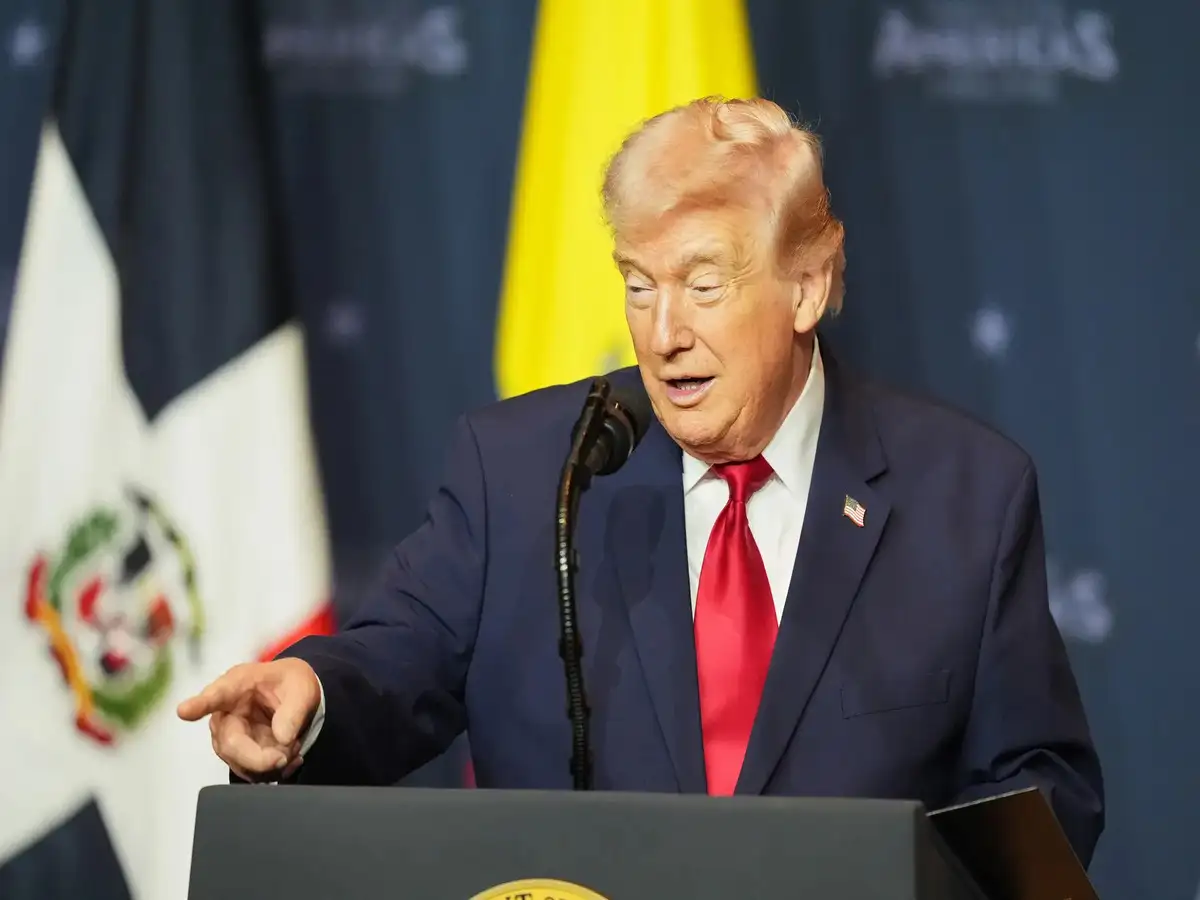
President Donald Trump has announced a controversial new tariff plan targeting generic drugs, proposing a phased approach that starts with no tariffs for two years followed by steep increases to 100% and eventually 200%.
The plan, unveiled during a White House briefing, is being positioned as a measure to protect American pharmaceutical jobs and reduce dependence on foreign generic drug manufacturers, particularly from India and China.
Details of the Plan
According to the Trump Administration’s announcement, the tariff structure would work as follows:
- Years 1-2: No tariffs on generic drugs to allow time for domestic manufacturers to scale up production
- Year 3 onwards: 100% tariffs on imported generic drugs
- Year 5 onwards: 200% tariffs on imported generic drugs
The plan also includes incentives for American companies to invest in generic drug manufacturing facilities in the United States.
Rationale Behind the Proposal
President Trump argued that the current reliance on foreign generic drugs poses a national security risk and has led to the loss of American manufacturing jobs. He claimed that the phased tariff approach would give domestic manufacturers time to build capacity while eventually making imported generics uncompetitive in the US market.
Impact on Indian Pharma
The proposal, if implemented, could have significant implications for Indian pharmaceutical companies, which are major suppliers of generic drugs to the US market. Companies like Sun Pharma, Dr. Reddy’s Laboratories, Cipla, Lupin, and Aurobindo Pharma could face challenges if the tariffs are enforced. These stocks are likely to see pressure in the near term as investors assess the potential impact on their US revenue.
Market Reaction
Pharmaceutical stocks, particularly those with significant US generic drug exposure, reacted negatively to the news. Indian pharma stocks traded lower on the announcement, while some US-based generic manufacturers saw gains.
Expert Views
Health policy experts have expressed concern about the potential impact on drug prices. “Generic drugs play a crucial role in keeping healthcare costs down,” said one senior health economist. “Steep tariffs could lead to higher prices for American consumers.”
Trade experts have also questioned the feasibility of the plan, noting that it could violate WTO rules and invite retaliatory measures from trading partners.
Political Context
The announcement is seen as part of President Trump’s “America First” economic agenda. The proposal has received mixed reactions within the Republican party, with some supporting the protectionist approach while others worry about its impact on consumers and healthcare costs.
What Lies Ahead?
The proposal will now move through the legislative process. Implementation would face significant hurdles including Congressional approval, legal challenges, and international trade disputes.
The plan has sparked a debate about the balance between protecting domestic industries and ensuring affordable healthcare for Americans.
