
Finance Ministry Admits Slowdown in Economic Momentum: Crude Oil Trading to Begin on NSE from April 13

Government acknowledges moderating growth signals even as it prepares to launch India’s first domestic crude oil futures on NSE; move aimed at deepening commodity market and reducing import dependency risks
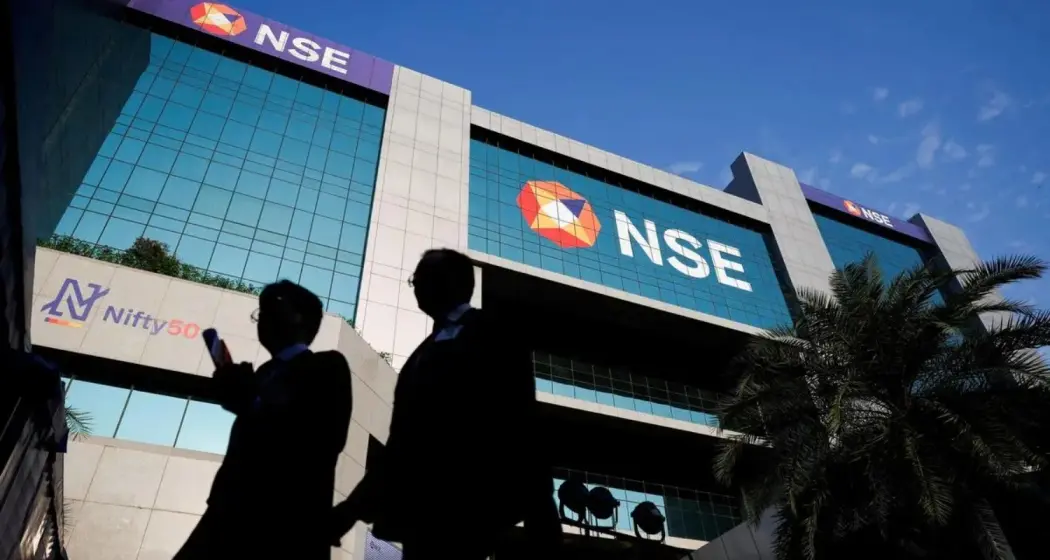
The Finance Ministry has officially acknowledged that the Indian economy is witnessing a slowdown in momentum, even as it announced a major reform in the commodity derivatives market. From April 13, 2026, crude oil futures trading will commence on the National Stock Exchange (NSE), marking a significant milestone for India’s commodity ecosystem.
In its latest monthly economic review, the Ministry noted that several high-frequency indicators suggest the pace of economic activity has moderated in recent months. Factors such as softening rural demand, cautious private capex, and global headwinds have contributed to this slowdown. However, the Ministry maintained that the overall growth trajectory remains resilient, supported by strong public investment and healthy services sector performance.
Crude Oil Futures on NSE: A Game Changer
The launch of crude oil futures trading on NSE from April 13 is being seen as a bold step towards reducing India’s vulnerability to global oil price volatility. Currently, India imports nearly 85% of its crude oil requirements. Domestic trading in crude oil futures is expected to help discover better price signals, improve risk management for refiners and importers, and eventually reduce dependence on international benchmarks.
Key features of the new contract:
- Physically settled contracts
- Delivery-linked to major Indian ports
- Participation open to hedgers, speculators, and arbitrageurs
- Expected to bring greater transparency and depth to the domestic commodity market
Expert Views
Economists welcomed the move but cautioned that the launch of crude oil futures alone may not be enough to fully offset the impact of a potential global oil shock. While domestic trading is a welcome development, India still needs to accelerate its efforts in increasing domestic production and building strategic reserves, said a senior economist at CRISIL.
The Finance Ministry’s admission of slowing economic momentum comes at a time when several global agencies have slightly trimmed India’s growth forecast for FY26–27 due to rising geopolitical risks and softening private consumption.
Despite the moderation signals, the government remains confident that strong public capex, digital economy growth, and upcoming policy measures will help the economy regain momentum in the second half of the fiscal year.
The launch of crude oil futures on NSE is being viewed as part of a larger strategy to deepen India’s financial and commodity markets and build resilience against external shocks.
