

Pilot Electrolyzer Uses On-Site Solar Power to Make Green Hydrogen for Factory Fuel Blend; Part of Multi-Pathway Push on Clean Manufacturing
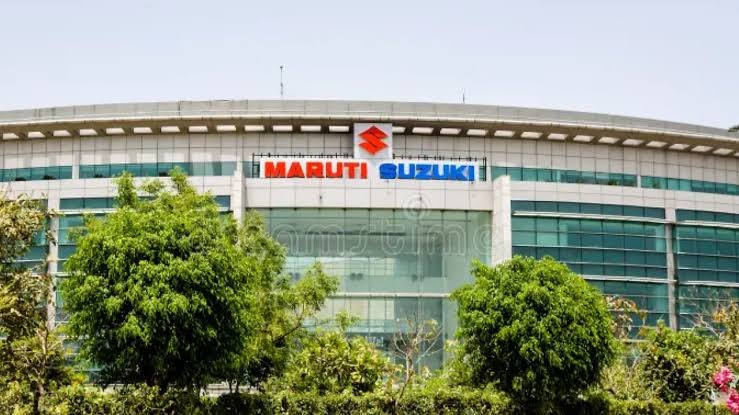
Maruti Suzuki India has commissioned a 300-kilowatt green hydrogen electrolyzer at its Manesar plant in Haryana. The pilot unit turns surplus on-site solar electricity into green hydrogen, which is then blended with natural gas and used as process fuel in manufacturing. The company framed the project as another step in cutting carbon emissions from its factories, in line with India’s National Green Hydrogen Mission.
How the Plant Fits the Factory
The electrolyzer is designed to absorb solar power that might otherwise be under-used on the campus. Water is split using that renewable electricity to produce hydrogen with a low carbon footprint. Blending the gas into the existing natural-gas stream lets the plant substitute a share of fossil fuel without a full redesign of burners and process lines.
At 300 kW the unit is a pilot, not a full-scale hydrogen hub. Its value is operational learning: how much hydrogen a car plant can absorb, how stable the blend remains, and how solar generation and electrolyzer load can be matched through the day.
What the Company Said
Managing Director and CEO Hisashi Takeuchi said the pilot adds to work already under way on solar, biogas and battery storage. “Just like we have adopted a multi-pathway approach for products, we have also embarked on a journey of multiple renewable energy solutions for manufacturing operations,” he said.
That phrase matters. Maruti has long argued that India needs several clean-vehicle routes — CNG, hybrids, electric and, over time, other fuels — rather than a single bet. The same logic is now being applied behind the factory gate.
Wider Clean-Energy Programme
The hydrogen unit sits inside a broader energy transition at Maruti’s plants.
The company is expanding rooftop and ground-mounted solar, buying renewable power from government sources and signing third-party purchase agreements for solar and wind. At Kharkhoda it has commissioned a 1 MWh battery energy storage system and is at an advanced stage of a 10-tonnes-per-day biogas plant, due in FY27. It has started using compressed biogas as process fuel and approved four CBG projects with a budget of ₹5,610 million.
Parent Suzuki Motor Corporation is working with the National Dairy Development Board and dairy unions on 10 biogas plants across India, of which three are already running in Gujarat. Those projects turn agricultural and dairy waste into fuel a rural supply chain that can feed both vehicles and factories.
Why Green Hydrogen at a Car Plant
Process heat and some industrial gases are hard to electrify quickly. Hydrogen blended into natural gas is one way to cut emissions without waiting for a complete redesign of furnaces. For an automaker that stamps, welds and paints hundreds of thousands of vehicles a year, even a small substitution adds up if it can be scaled.
The project also gives Maruti first-hand data on electrolyzer operations, water use, safety and cost knowledge that would be useful if hydrogen later appears in product plans or in supplier parks around its plants.
Policy Backdrop
India’s Green Hydrogen Mission aims to build domestic production and bring down costs through electrolyzer manufacturing and renewable power. Early industrial pilots by large manufacturers help create demand and operating standards. Maruti’s 300 kW unit is modest next to planned gigawatt-scale hubs, but visibility from the country’s largest carmaker can encourage suppliers and state agencies.
What It Does Not Mean — Yet
The announcement does not say Maruti is launching hydrogen cars from Manesar. The hydrogen is for factory fuel, not showroom products. Vehicle strategy remains multi-pathway: strong CNG volumes, growing hybrids and a cautious electric ramp. Investors should treat this as a manufacturing-decarbonisation story first.
Scale and economics remain open questions. Green hydrogen is still costly compared with natural gas. A 300 kW pilot will not shift Maruti’s overall energy bill. Replication at other plants will depend on solar availability, electrolyzer prices and whether blend ratios can rise without affecting process quality.
Outlook
Commissioning the Manesar electrolyzer is a concrete, if small, marker that India’s largest automaker is testing hydrogen where it can control both electricity supply and fuel use. Combined with biogas, batteries and renewable power contracts, it shows a factory-level transition running in parallel with the product transition on the road.
The next tests are utilisation hours, cost per kilogram of hydrogen and whether the blend can be increased. If those numbers work, more kilowatts and eventually more plants are the logical next step. For now, 300 kW of green hydrogen at Manesar is a pilot with a clear purpose: use the sun that already falls on the factory to burn a little less fossil gas.
