
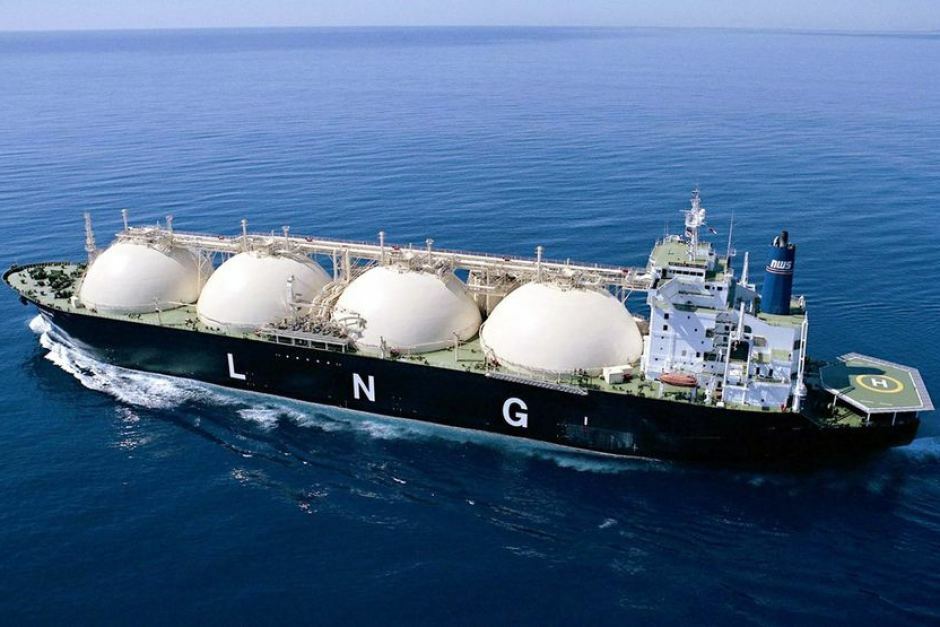

GAIL and Gujarat State Petroleum Buy September Cargoes Above $23 per mmBtu; Spot Market Tightens Amid Hormuz Uncertainty and European Competition
Indian energy companies are paying some of the highest prices for liquefied natural gas (LNG) in years as the ongoing conflict involving Iran continues to disrupt global supplies. State-run GAIL India and Gujarat State Petroleum Corporation (GSPC) have recently secured September cargoes at more than $23 per million British thermal units levels not seen since 2022.
Record Spot Purchases
According to people familiar with the transactions, GAIL paid above $23 per mmBtu for a cargo scheduled for September delivery. GSPC is reported to have paid in the mid-$23 range for a similar shipment. These deals rank among the most expensive LNG cargoes imported into India in recent years. Bharat Petroleum Corporation has also entered the spot market for a cargo this week, though the exact price remains undisclosed.
The sharp rise comes as India is forced to rely more heavily on the spot market. Traditionally, the country has depended on long-term contracts, particularly from Qatar. However, damage to Qatar’s major export terminal from Iranian attacks earlier in the year, combined with continued restrictions on shipping through the Strait of Hormuz, has severely constrained supplies from the region.
Geopolitical Disruptions
The Strait of Hormuz remains a critical chokepoint for global energy flows. With tanker traffic still largely disrupted, Asian buyers including India are scrambling for alternative cargoes from the United States, Oman, Nigeria and other suppliers. At the same time, European buyers are competing aggressively for available volumes after gas prices on the continent climbed to a five-month high.
This dual pressure restricted Middle East supplies and strong European demand has pushed Asian spot LNG prices sharply higher and left Indian importers with limited options.
Impact on India’s Energy and Economy
India imports a significant portion of its natural gas requirements in the form of LNG. Elevated prices raise the cost of fuel for power generation, fertiliser production and industrial users. The government has been keen to ensure adequate supplies for the fertiliser sector, which is a major consumer of natural gas, prompting state-backed companies to bid aggressively in the spot market.
Higher LNG costs feed into the broader energy import bill and can add pressure on the current account deficit. They also complicate efforts to keep domestic gas prices stable for end consumers and industries already dealing with elevated energy costs.
Market Context
Global LNG markets have been volatile throughout 2026 due to geopolitical tensions. While some Indian terminals earlier reported lower utilisation because of reduced arrivals, the current phase is marked by expensive spot purchases to fill the gap. Long-term contract volumes from traditional suppliers remain constrained, leaving buyers little choice but to accept higher prices for prompt deliveries.
Outlook
Analysts expect LNG prices to remain elevated as long as uncertainty persists around Middle East shipping routes and Qatar’s export capacity. Indian companies may continue to diversify sources, but near-term relief appears limited. The situation also underscores the strategic importance of expanding domestic gas production and accelerating the shift toward alternative fuels where feasible.
For policymakers, the spike in LNG costs is a reminder of India’s vulnerability to external supply shocks. Strengthening strategic reserves, securing more diversified long-term contracts and promoting domestic exploration remain critical priorities.
Conclusion
India’s purchase of LNG at over $23 per mmBtu marks a return to the elevated price environment last seen several years ago. The combination of war-related supply disruptions, damaged infrastructure in Qatar and competition from Europe has tightened the market significantly. State-owned buyers such as GAIL and GSPC have stepped in to secure supplies, but the higher costs will weigh on the energy sector and the wider economy until geopolitical tensions ease and shipping routes stabilise.
